From Drawings to Install: Cabinet Lead Times
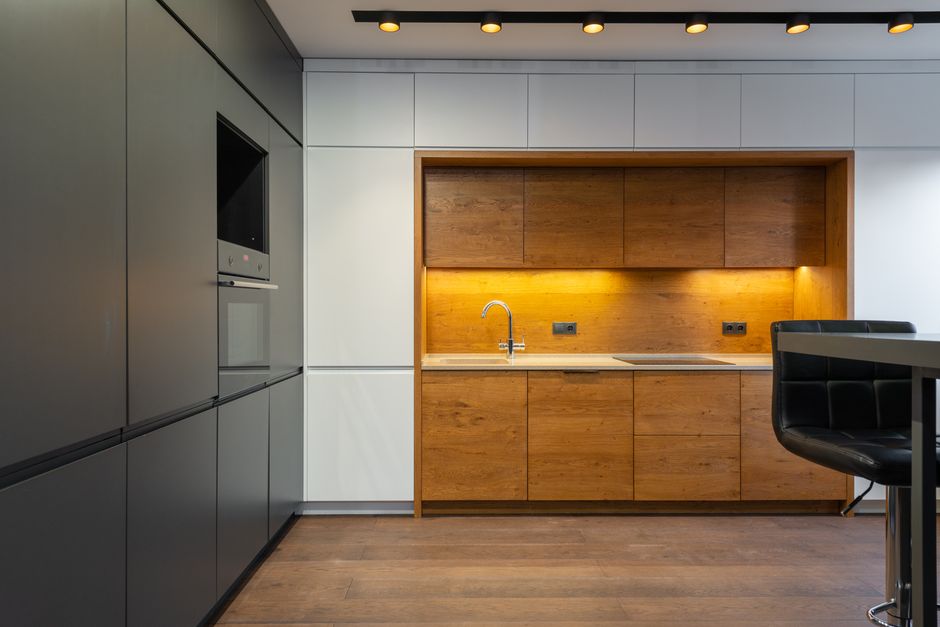
The whine of the planer running on a Monday morning is the first sign that a job has left the drawings and become boards. The figures kept at cabinet maker austin studio antwork break the weeks between signed drawings and install day into a short run of stages, and each stage has its own reasons for running long. A cabinet order in Austin is a calendar of hand and machine work, not one block of time.
Ordering and milling stock
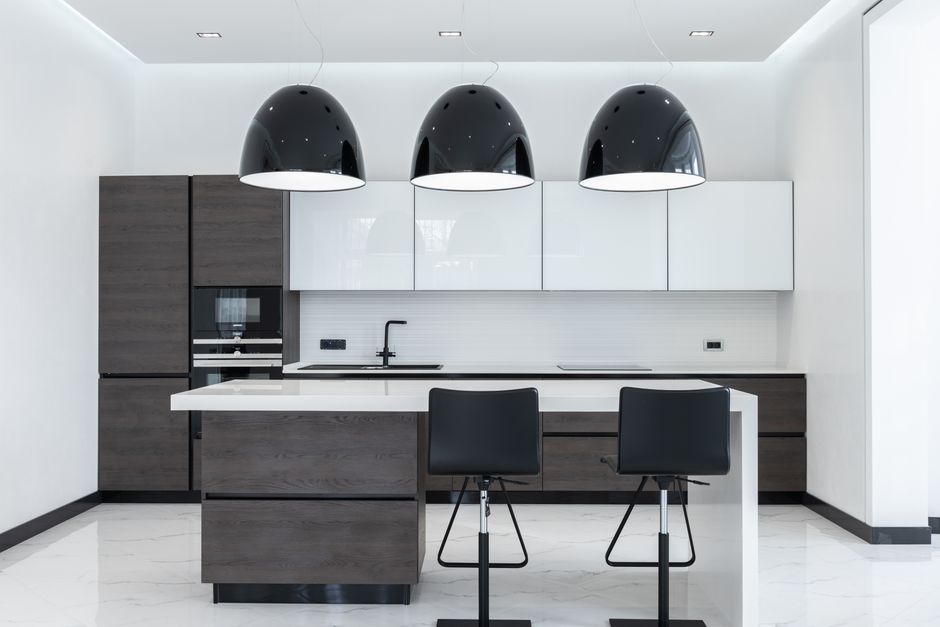
Hardwood and plywood have to be on the shop floor before any cutting starts. Solid wood is rough milled, left to rest, then milled again to final size on the jointer and the planer, because boards release tension when the outer layers come off. A maker who rushes this step finds a door that was straight on Monday bowed by Friday.
Joinery and assembly
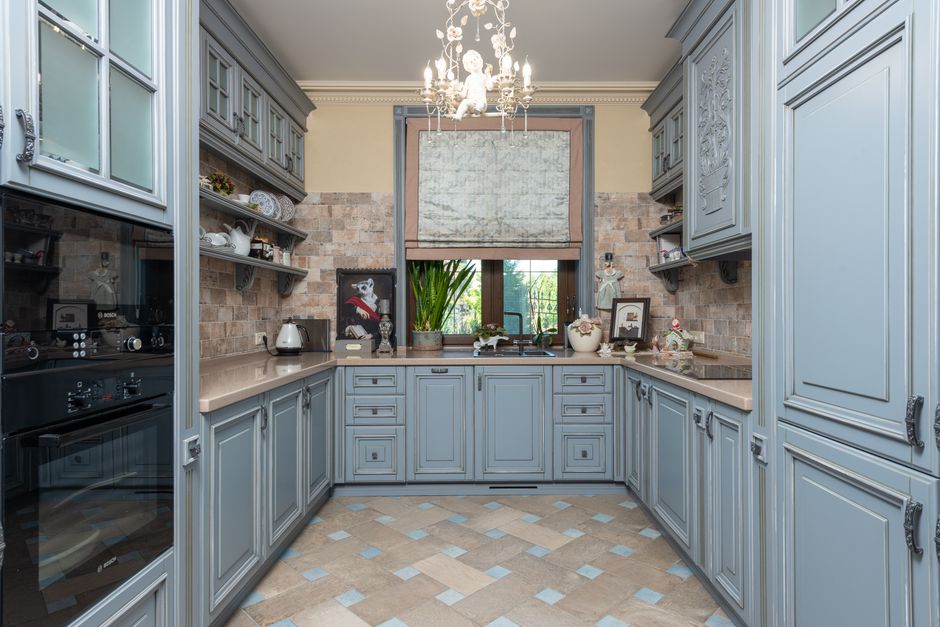
Parts are cut to a cut list on the table saw. Dados and rabbets go into the carcass sides, mortises and tenons into the face frame, and the drawer boxes are assembled with dovetail or rabbet joints. A dry fit comes before any glue, because a joint that is wrong is cheap to fix before the clamps go on and costly afterward. Euro hinge plates, drawer slide positions and soft close hardware are drilled at this stage, not on site.
Finishing and cure
Finishing takes more calendar time than anyone expects. Each coat needs to dry, and Austin heat and humidity move the wait around, so this is the stage that most often adds days. The finished doors and boxes then cure before they are wrapped, since a soft finish prints the blanket.
The shop to house handoff
Install day depends on the house being ready, not just the cabinets. Walls need to be painted or primed, floors down or protected, and the electrical and plumbing roughed in. A kitchen in an older Clarksville or Hyde Park bungalow often needs the walls checked for square before the carcass arrives, since the boxes are built straight and the room may not be. A delay on the house side moves the whole schedule, and the finished cabinets wait in the shop or a clean storage space.
What slows a job down
Late decisions on door style and hardware are the usual cause. A change from an inset door to a full overlay door after the boxes are cut means new parts, not a tweak. Special order hardware, a back ordered sheet of plywood, a finish that needs another coat, and a house that is not ready all add weeks. The mix of causes differs on every job in Austin, TX, which is why a maker gives a range at first and a firm date once the stock is milled.