What a Cabinet Finishing Schedule Looks Like
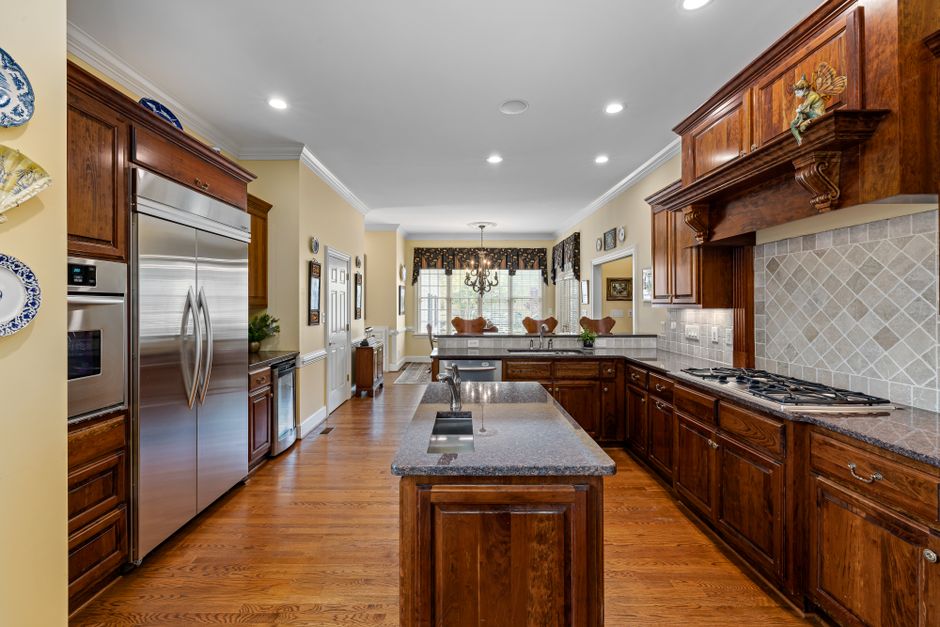
The sharp solvent smell that lingers in a room two days after spraying means the coat underneath is still soft. Every finishing log cabinet maker austin studio antwork has kept shows the same pattern, that the coats go on faster than they cure, and that Austin weather decides how long the wait between them has to be. A cabinet leaving the shop with a half cured finish will mark at the first install.
Sanding is the first coat
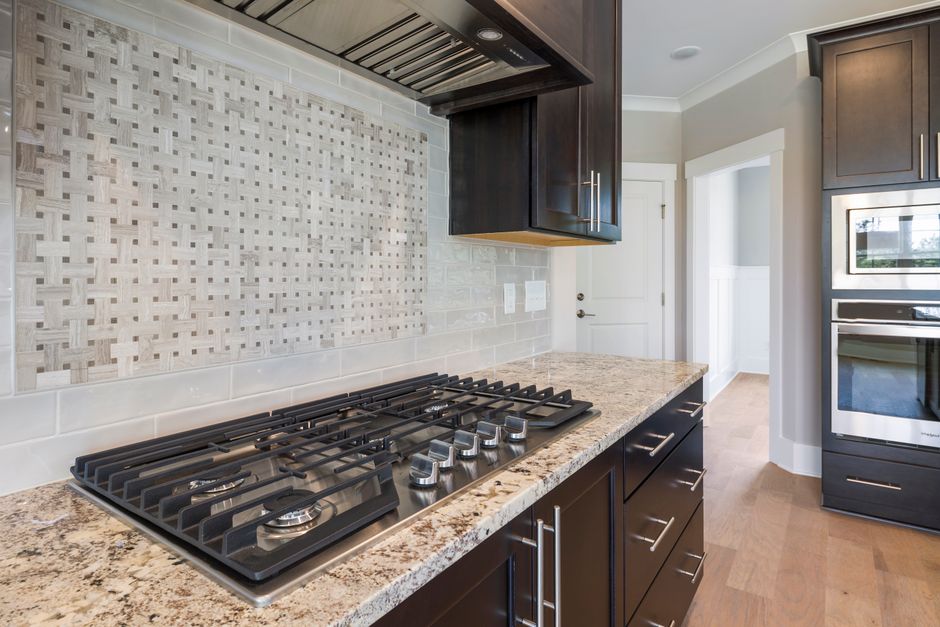
Raw maple, oak and birch plywood are sanded through a sequence of grits, each one removing the scratches of the one before. Skipping a grit leaves scratches that show up only after stain, when it is too late to fix them cheaply. Edges and the profile of a raised panel are sanded by hand, since a machine rounds them off.
Sealer and the first topcoat
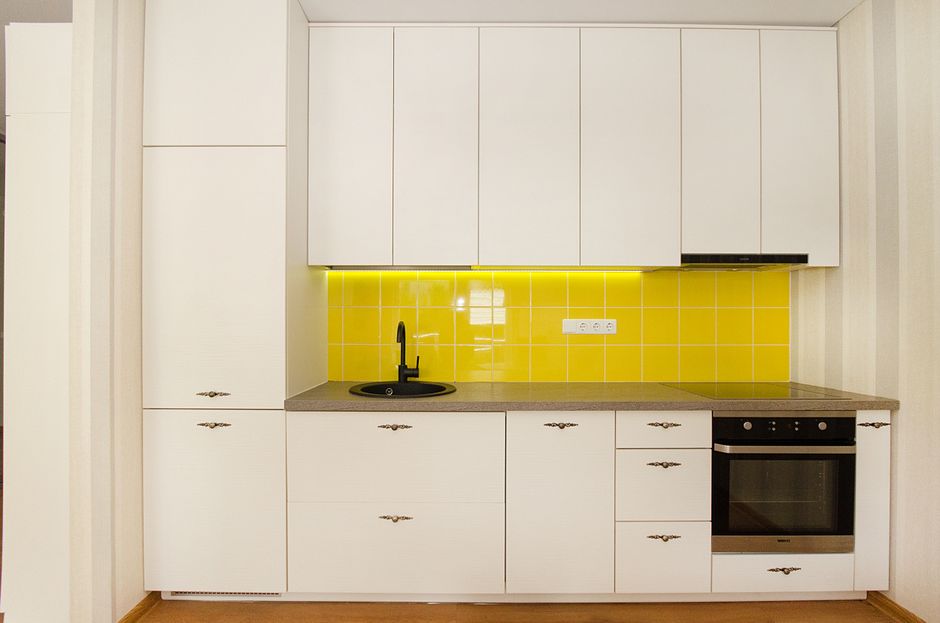
A sealer locks down the fibres so the wood does not drink the topcoat unevenly. After it dries it is scuffed lightly, because sealer raises the grain. The first topcoat goes on thin. Thick coats trap solvent, and trapped solvent is the reason a finish stays tacky for days or blushes white in humid weather.
How Austin air changes the schedule
In a hot dry August the surface of a coat flashes off in minutes while the layer below stays wet, so a thick coat skins over and traps what is underneath. In a humid spring, damp air slows evaporation and can leave a cloudy film, so a maker waits longer between coats or turns on a dehumidifier. The same finish and the same gun give different results in the same shop three months apart, which is why a schedule is written for the season and not just the product.
Between coats and between days
Each coat is scuffed, dusted off and checked under a raking light for dust nibs and dry spots. Doors, drawer boxes and the face frame are finished flat or hung on racks so drips do not run. A finished slab door has to be sprayed on both faces, and the second face waits until the first has set hard enough to lay face down.
Cure time before the handoff
Dry to the touch is not cured. A finish can feel hard in a day and still take a couple of weeks to reach full hardness, so a cabinet maker stages finished parts in a clean room and delays the install until a thumbnail pressed into an out of sight edge leaves no mark. Cabinets wrapped too early can print the packing blanket into the finish, a problem that only shows once the pieces are unwrapped in a kitchen in Austin, TX.