How Wood Movement Shows Up in Austin Cabinets
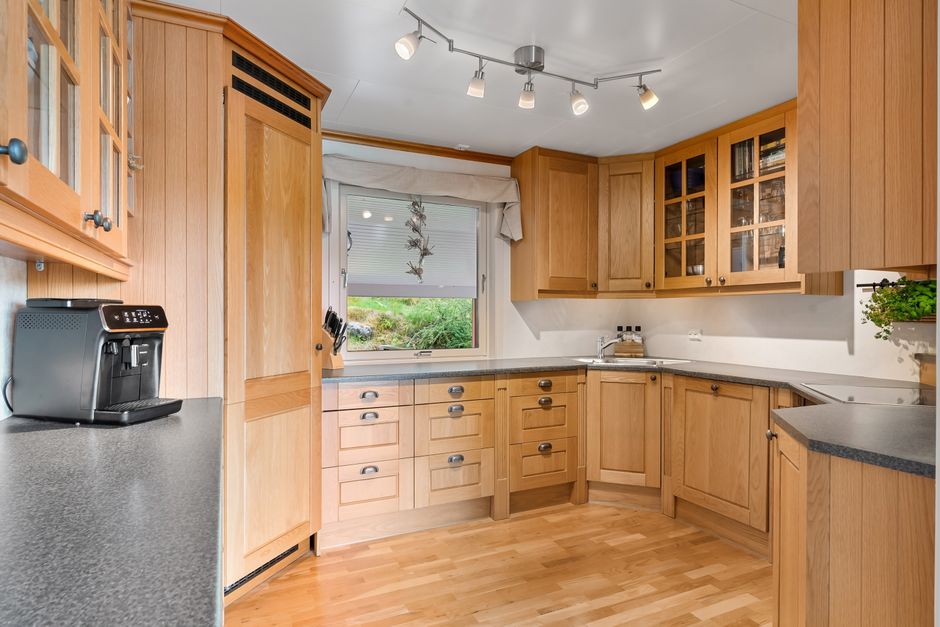
A floating panel does one job: it lets the centre of a door grow and shrink inside its frame without pushing anything apart. Every teardown cabinet maker austin studio antwork has logged shows the same thing, that wood in an Austin kitchen is never the same width twice in one year. Damp spring air off the Colorado River and Lady Bird Lake pulls moisture into the house, then a summer of air conditioning dries it back out, and the cabinet carries that swing in its boards.
Where the movement goes
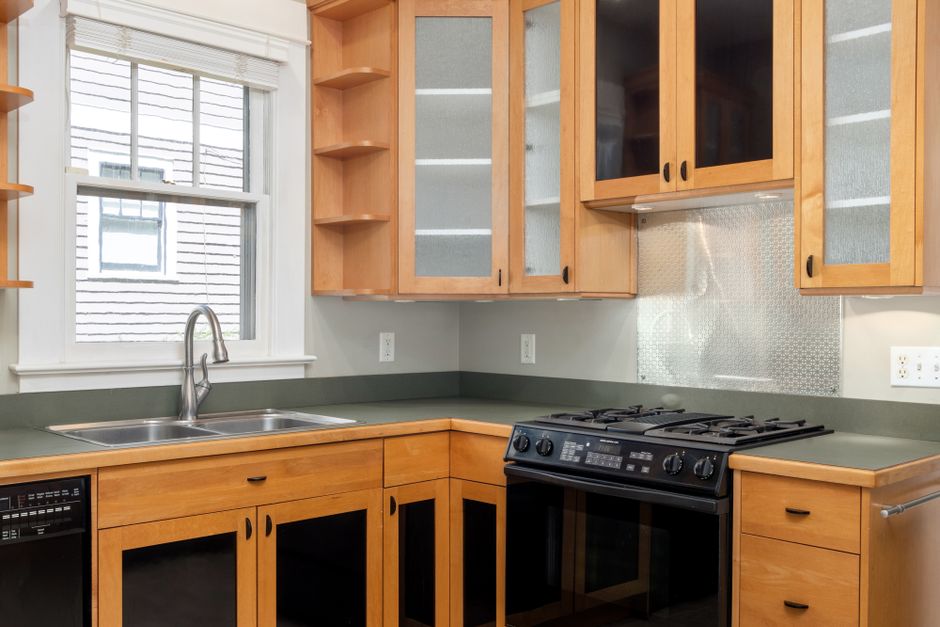
Wood changes width across the grain and hardly at all along it. A maple stile barely changes in height, but a wide oak panel can open or close a sixteenth of an inch or more across its width between a damp April and a dry August. The movement has to end up somewhere, and in a well built door it ends up in the groove, where nobody sees it.
Floating panels and the groove
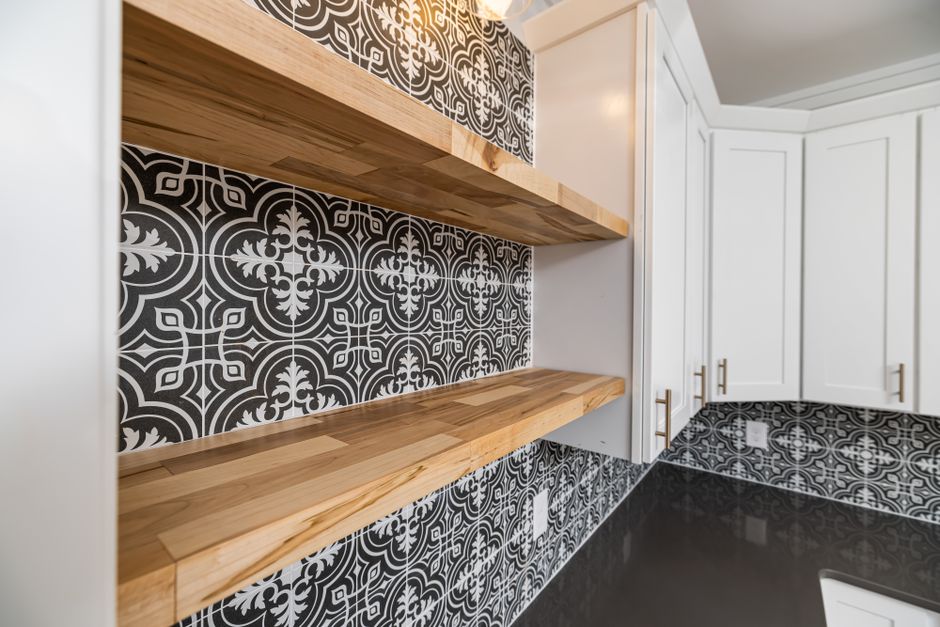
In a raised panel door the panel sits loose in a groove cut on the table saw, with a small gap left on both sides. A rubber bead in the groove keeps the panel centred without gluing it. Glue the panel in and the first dry summer splits it or cracks the finish along the stile. A flat panel Shaker door follows the same rule. A slab door in solid wood has no groove to hide anything, so it is built from narrow boards with the grain alternated, or from veneer plywood.
Face frames and the corner joint
A face frame is a set of rails and stiles joined with mortise and tenon joints, and the rails are where width movement shows up first. A wide rail in a humid spring can open a hairline at the shoulder if the grain runs the wrong way. A cabinet maker picks straight grain and keeps rails narrow.
The carcass and sealing every face
The carcass is usually a plywood box, because the cross-laid layers pull against each other and hold the box flat through the year. The finish goes on every face of every part, the back of a door and the inside of the groove included, so moisture enters and leaves at one rate. A door sealed on one side only will cup toward the drier side by the end of summer.
Shop air against house air
Parts milled in a dry shop in August and hung in a house at its dampest in May will move after install. The shop lets stock sit in conditioned space, checks it with a moisture meter before milling, and leaves a few days of margin on the handoff so a door can settle against the actual rooms in Austin, TX, before the last hinge adjustment. Houses near Zilker Park and Barton Springs Pool sit in damper air than a hilltop home west of the Balcones Fault.